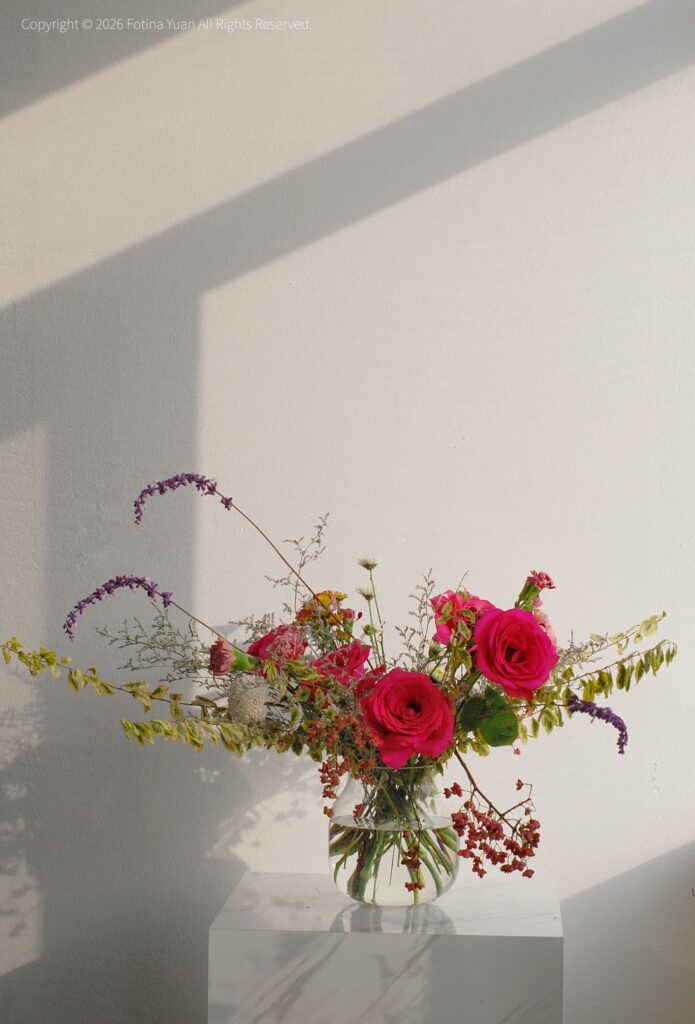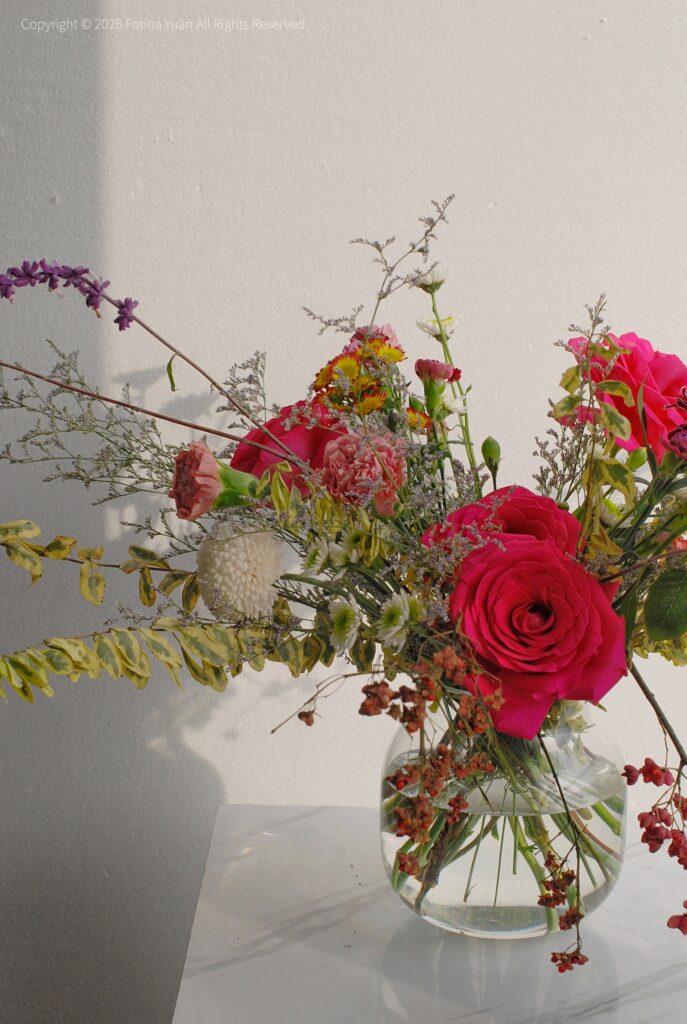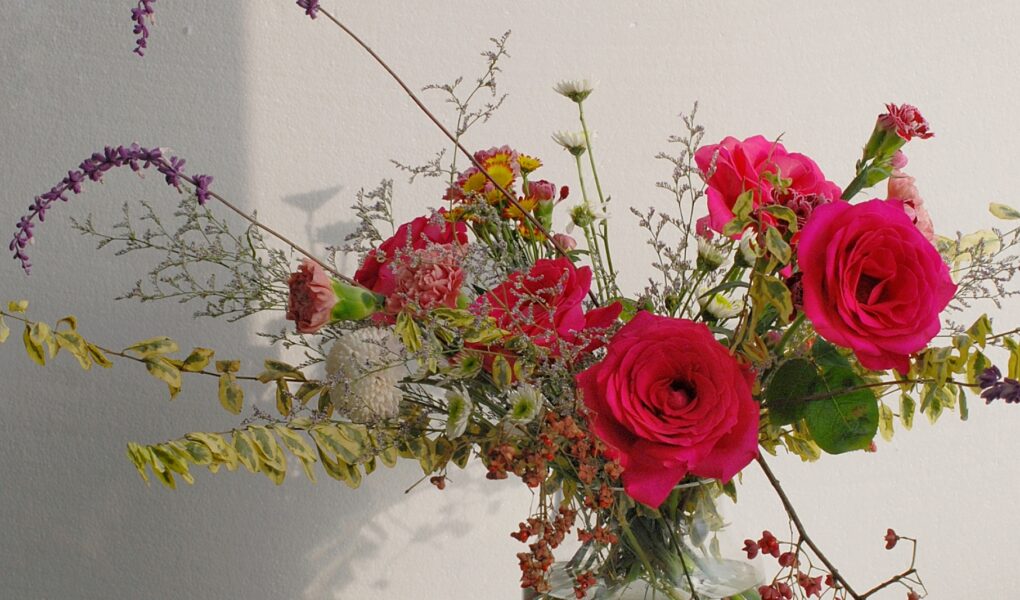
The conceptual theme originates from World Philosophy Day, which falls on the third Thursday of November (18 November 2021).
Philosophy studies the essence of reality and being, knowability, and the rightness or wrongness of human conduct. The term “philosophy” derives from the Greek word “φιλοσοφία”, which literally means “love of wisdom”. Philosophy pursues the true meaning of life, making it one of the most important realms of human thought.
As a form of “wisdom” in its own right, philosophy teaches people to reflect on thinking itself, constantly question established truths, test hypotheses and draw conclusions.
For thousands of years, across every culture, philosophy has given rise to ideas, thoughts and analyses, thereby laying an essential, independent and creative foundation for thinking.
World Philosophy Day promotes the importance of philosophical reflection and encourages peoples around the world to share their philosophical heritage with one another.
Socrates, the first philosopher to bring philosophy down from the heavens to humanity, left no written works. His ideas became known worldwide through writings by his student Plato and others, exerting a profound influence on Western philosophy.
Thanks to my recent studies in art, I revisited Book X of Plato’s Republic, which discusses art. It records Socrates and Glaucon reasoning together about what artists do. For the first time, I identified the essence of art as I understand it through such rigorous logic.
In Socrates’ reasoning, a bed serves as an example. If a god created the idea of a bed (what modern people would call the inventor), and a carpenter made a physical bed (along with users, who share their experience of use and voice their needs), then what does a painter do with a bed? The painter paints an image of a bed. Meanwhile, the painter knows neither how it feels to use the bed nor how to make one. Would we consider what the painter does utterly meaningless?
Reflection…
Socrates explores the question from another angle: human nature has two sides, reason and emotion. We cannot claim that only reason exists, or only emotion. From a rational perspective, craftsmen accomplish excellent work. Using measurement and technical knowledge, they create the bed itself. Then what do painters and other artists — such as poets and musicians — produce?
Reflection…
Their works express emotion, an emotion inherent to human nature. When your joy, sorrow, or some inner feeling resonates with a work, the artist has given voice to what you feel.
In this way, I followed Socrates’ logic to deduce the essence of art. Meanwhile, through World Philosophy Day, I learned about the issues advocated by UNESCO. The Organization hopes that scholars with the capacity for public communication can approach topics from a humanistic perspective, deepen cultural understanding, and interpret social change. Social change cannot be managed solely through science and technology. Imaginative, creative humanistic practitioners also play a uniquely important social role.
This leads me to reflect: in every creation of botanical art, if we infuse it with socially meaningful emotion and forge an emotional bond with the public, we are also making a contribution to modern humanistic development.